
Yes
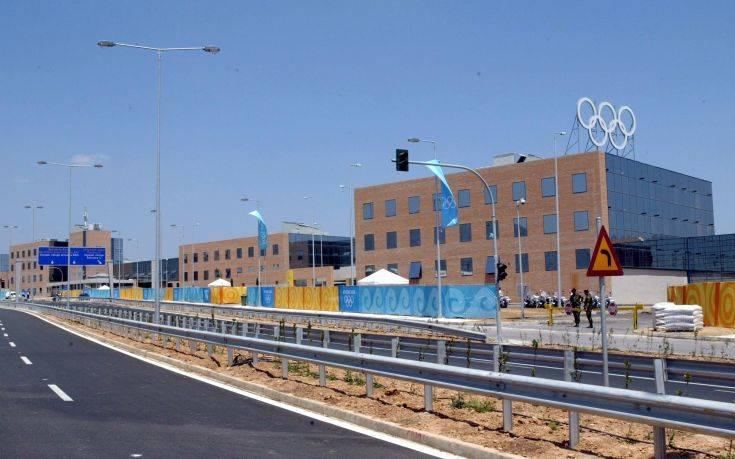
The Indoor Sports Hall in the Olympic Village, Acharnes (13677, Greece) is part of the wider Olympic Village Sports Complex, which was developed for the 2004 Athens Olympic Games and later repurposed for community and training use. It is a multi-purpose indoor arena designed for training sessions and local competitions, typically used for sports such as basketball, volleyball, gymnastics, and other indoor athletics. The hall features a standard Olympic-era wooden sports floor, changing rooms, and support facilities for athletes and clubs. Unlike large spectator arenas in central Athens, this hall is primarily a training and community sports venue, with a relatively modest seating capacity and a focus on functionality rather than major events. It remains part of the broader Olympic Village infrastructure, which continues to serve schools, clubs, and regional sports organisations.
From Olympic Village infrastructure documentation, the indoor hall is listed as a ~3,000 m² indoor sports facility footprint
"The Indoor Sports Hall of the Olympic Village in Acharnes has implemented basic sustainability practices focused on waste management and reducing single-use plastics. Recycling bins have been installed at key points of the facility, while sports clubs and users are encouraged to use reusable water containers instead of disposable plastic bottles.
The measures were implemented through cooperation between the facility management and local sports clubs, requiring limited investment and simple operational changes. According to operational estimates, the initiative has achieved a recycling rate of approximately 17-20% of total waste and an annual reduction of plastic use of around 8-10%.
Monitoring is currently carried out at a basic operational level, providing indicative information about the positive environmental impact of the measures. "
Process innovation
Approximately €500–€2,000 (excluding VAT)
no
Estimated ROI: 1-2 years. Estimated lifecycle of the innovation: 5+ years with continuous implementation and user participation.
"Low-cost and easy-to-implement sustainability practice.
Reduction of single-use plastic consumption and improvement of recycling rates.
Easily replicable in other municipal and community sports facilities. "
"Monitoring and data collection are still limited and not fully automated.
The environmental impact remains moderate due to the small scale of the measures.
The success of the initiative depends on the active participation of users and sports clubs. "
| Indicator | Value |
|---|---|
| Visits per year | Estimated annual visits: approximately 50,000. |
| Water Consumption (liters/use) | |
| Primary energy Usage per year (kWh/use) | |
| Estimation of Water Saving (%) | |
| Estimation of Energy Saving (%) | |
| Estimation Waste and Resource Savings (%) | Low (below 30%) |
Waste reduction and recycling practices, including the promotion of reusable water containers and reduction of single-use plastics
The facility is interested in further improving its sustainability performance through more structured waste monitoring, expanded recycling practices, and additional measures to reduce plastic consumption in daily operations over the coming years. There is also interest in exploring affordable digital monitoring tools and awareness solutions that could help improve data collection, user engagement, and reporting related to environmental performance.

Last update: May 27, 2026, 8:48 a.m.