
No
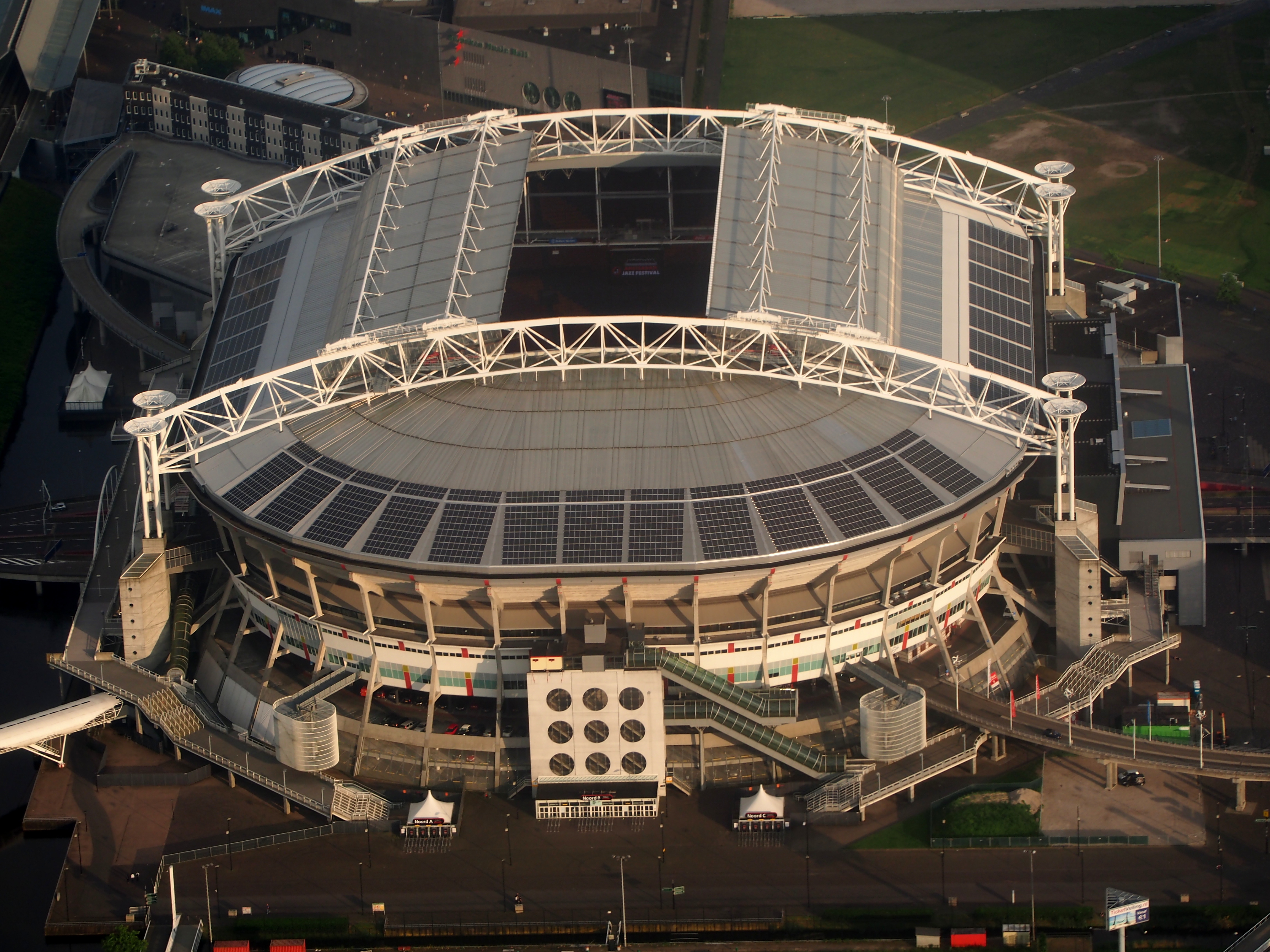
Multipurpose football stadium. With 56,120 seats, it is the largest football stadium in the Netherlands . For music concerts, the maximum capacity is 71,000 visitors. Since its opening on 14 August 1996, the stadium has been the home ground of football club AFC Ajax. The Dutch national football team also plays their home games here.
The HiPSter (created by Holland Sports) and used by Johan Cruijff ArenA is an innovative measurement tool that monitors sports pitches on key parameters such as soil hardness, energy absorption, grass density, and vitality. The collected data is automatically transmitted to a dashboard, giving groundskeepers real-time insights into field conditions. This allows for more targeted and sustainable maintenance, resulting in better playing conditions and a lower environmental impact. Implementation requires purchasing the hardware and integrating it into existing maintenance processes.
The HiPSter provides a clear picture of the current quality of the pitch by measuring core parameters in line with FIFA standards, including hardness, vertical deformation, shock absorption, grip, ball roll, bounce, and grass length — and presenting them in a single online dashboard. This enables our grounds team to monitor trends and plan maintenance more effectively.
In practice, the impact is evident. The HiPSter plays a key role in improving our decision-making. Where we previously relied on separate measurements and visual inspections, we now have a single, integrated system providing objective, standardized data. This allows us to base decisions on facts rather than solely on observation or experience.
Technical innovation
Yes, European subsidy
1) Clear insight into the effects of specific measures on pitch quality, enabling more efficient use of energy, water, and nutrients.
2) Early detection of quality decline, reducing the need for additional nutrients and optimization of maintenance planning and water use through real-time data.
3) Provision of objective field quality insights to clubs and the Dutch Football Association and a standardized measurement approach that supports the transition toward predictive maintenance.
1. Cost – The initial investment may be a barrier for smaller sports organizations.
2. Limited direct emissions reduction – The HiPSter indirectly supports sustainability but does not directly reduce CO₂ emissions.
| Indicator | Value |
|---|---|
| Visits per year | 2000000 |
| Water Consumption (liters/use) | |
| Primary energy Usage per year (kWh/use) | |
| Estimation of Water Saving (%) | |
| Estimation of Energy Saving (%) | |
| Estimation Waste and Resource Savings (%) |
We do not have isolated data that shows its direct effect. This is difficult to measure because the HiPSter operates within an ecosystem of many other innovations implemented in the stadium, as well as external factors such as weather, which can impact energy, water, and material use. We collect a substantial amount of pitch-related data from various partners, with Holland Innovative and the HiPSter being indispensable components. Because the measurements and data are standardized, they provide
We're interested in further exploring predictive and data-driven sustainability solutions for sports facilities, including ways to optimize pitch maintenance, reduce environmental impact, and enhance energy efficiency. We are particularly looking for AI-driven analytics, predictive maintenance solutions, and advanced monitoring tools that could complement the HiPSter system.

Last update: Feb. 26, 2026, 8:07 a.m.