Yes
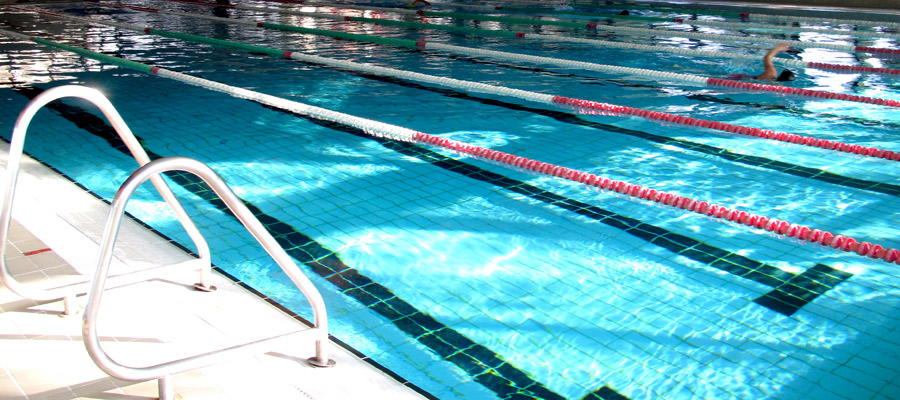
Indoor sports halls, indoor swimming pools, indoor sports centres, outdoor artificial or natural turf fields, outdoor courts with other materials and outdoor swimming pools
Energy consumption:
- Installation of a biomass boiler that provides 50% of the facility's energy needs, combined with solar panels for water heating, covering 3% of the energy requirements.
- Installation of LED lighting across all facilities (including the football field, 5 tennis courts, 4 padel courts, and the indoor swimming pool).
- CO2 level monitoring in internal spaces linked to automated ventilation systems (free cooling).
- Heat recovery systems installed in all areas with significant heat loss.
Water consumption reduction:
- Recycling pool filter backwash water to irrigate landscaped areas.
- Reducing the frequency of pool filter cleaning by using crushed glass media in the filters and automating cleaning processes based on filter pressure.
- Installing aerated showerheads in all showers (over 80 units), reducing shower water consumption by 50%.
- Lowering water pressure from 5 to 3 atmospheres.
- Installing a saline treatment system for disinfection, which reduces free chlorine use and minimizes filter cleaning frequency.
Technical innovation
No
- Cost reduction
- Reduction of carbon emissions
- Enhanced service image
None identified
| Indicator | Value |
|---|---|
| Visits per year | 500000 |
| Water Consumption (liters/use) | 44,182 |
| Primary energy Usage per year (kWh/use) | 4,92 |
| Estimation of Water Saving (%) | Low (below 30%) |
| Estimation of Energy Saving (%) | |
| Estimation Waste and Resource Savings (%) |
We want to build a new 1,500 m² fitness center that serves as a "showcase" for all possible sustainability measures, from design to materials and technical installations.
Last update: March 23, 2026, 2:13 p.m.